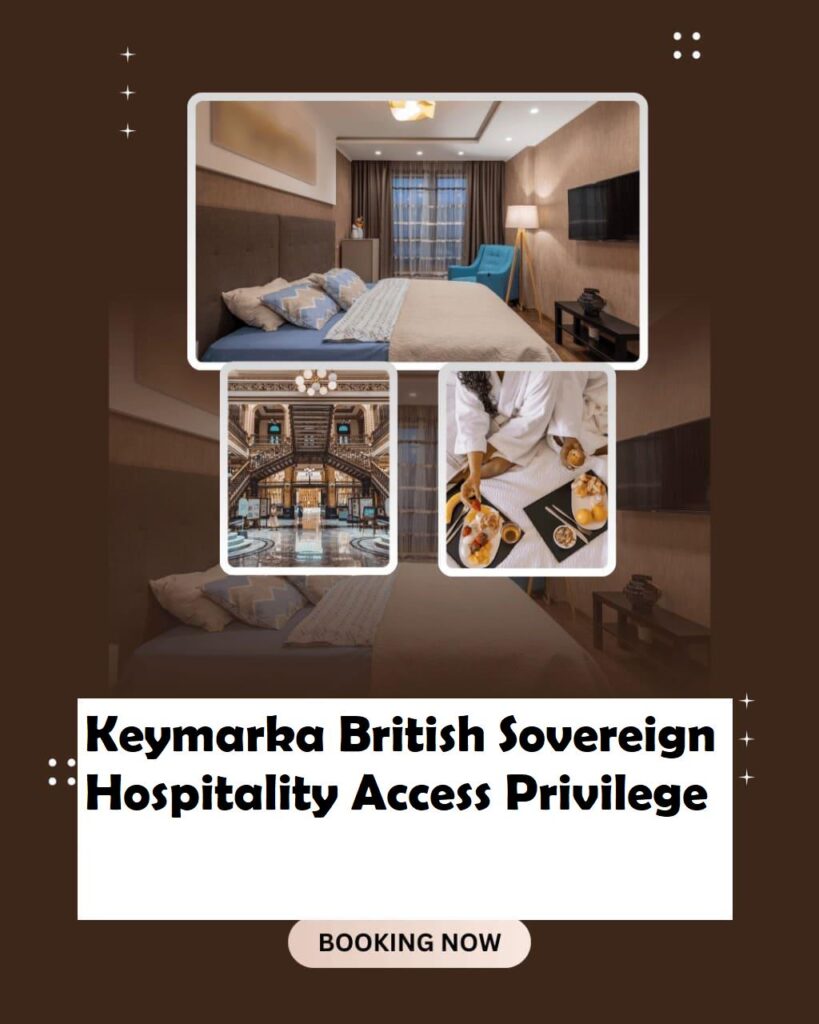
In the rarefied world of British luxury hospitality, access is everything. Keymarka British Sovereign Hospitality Access Privilege represents more than refined accommodation—it symbolizes an invitation into a realm traditionally reserved for royalty, institutional elites, and global tastemakers. This concept reflects Britain’s enduring legacy of prestige, where heritage estates, stately service, and discreet modern luxury converge. From London’s aristocratic quarters to secluded countryside manors, Keymarka embodies hospitality as a form of privilege—measured not in excess, but in exclusivity, trust, and timeless refinement.
The Essence of Sovereign Access
At the heart of Keymarka lies the idea of sovereign access: entry into spaces designed for privacy, influence, and continuity. British luxury hotels operating under this philosophy prioritize controlled guest experiences, limited availability, and curated environments. These are not properties chasing volume; they are destinations preserving legacy. Guests experience personalized arrivals, discreet concierge services, and environments that feel more like private residences than commercial hotels. The privilege is subtle, expressed through calm confidence rather than overt opulence.
Heritage Architecture and Institutional Elegance
A defining theme of Keymarka British hospitality is architectural gravitas. Many of these properties occupy historic buildings—former townhouses, palaces, or estates—restored with meticulous attention to authenticity. Original stonework, grand staircases, and period libraries coexist seamlessly with contemporary comforts. This blend of past and present creates an atmosphere of institutional elegance, appealing to guests who value continuity, history, and cultural depth over fleeting trends.
Service as a Silent Signature
True British luxury is quiet. Under the Keymarka framework, service is intuitive rather than performative. Staff are trained to anticipate needs without intrusion, remembering preferences with discretion. From bespoke dining experiences crafted around guest tastes to private transfers arranged with military precision, the service philosophy emphasizes trust and familiarity. This creates a sense of belonging—guests feel recognized, not observed.
Privacy, Power, and Discretion
Keymarka hospitality is particularly appealing to sovereign wealth circles, institutional investors, and high-profile individuals who require discretion. Properties often feature private entrances, secured floors, and off-market suites unavailable through public booking platforms. This controlled access ensures that privacy is preserved, making these hotels favored retreats for decision-makers seeking respite without exposure. In this context, luxury becomes a protective layer, shielding guests from the noise of the outside world.
Cultural Capital and Experiential Depth
Beyond accommodation, Keymarka British hotels function as cultural gateways. Guests gain access to private galleries, invitation-only events, and heritage tours unavailable to the general public. Whether it’s an after-hours visit to a historic collection or a countryside experience curated with local custodians, these moments add depth to the stay. The experience is intellectual as much as sensory, reinforcing Britain’s reputation as a center of cultural authority.
Q&A: Exploring Similar British Luxury Experiences
Q: Which hotels reflect the Keymarka British Sovereign Hospitality philosophy?
A: Properties such as The Ritz London, Claridge’s, and The Lanesborough exemplify this approach, combining heritage prestige with controlled exclusivity and exceptional service standards.
Q: Are there countryside alternatives offering similar access privilege?
A: Yes. Estates like Cliveden House and Heckfield Place deliver sovereign-style hospitality in rural settings, offering privacy, heritage architecture, and immersive experiences surrounded by nature.
Q: What about modern interpretations of British elite hospitality?
A: Hotels such as The Connaught and Rosewood London reinterpret tradition through contemporary design while maintaining the discretion and service depth expected by elite global travelers.
Q: Is this style suitable for long-term or repeat stays?
A: Absolutely. Many guests return repeatedly, drawn by consistency, familiarity, and the sense of personal territory these hotels cultivate over time.
Conclusion: The Privilege of Belonging
Keymarka British Sovereign Hospitality Access Privilege is not merely about staying in a luxury hotel—it is about entering a protected circle of trust, heritage, and refined living. It offers guests more than comfort; it provides continuity, discretion, and cultural resonance. In a world increasingly driven by visibility and speed, this British model of hospitality stands apart by offering something far rarer: the privilege of belonging to a legacy that values calm authority over spectacle.